
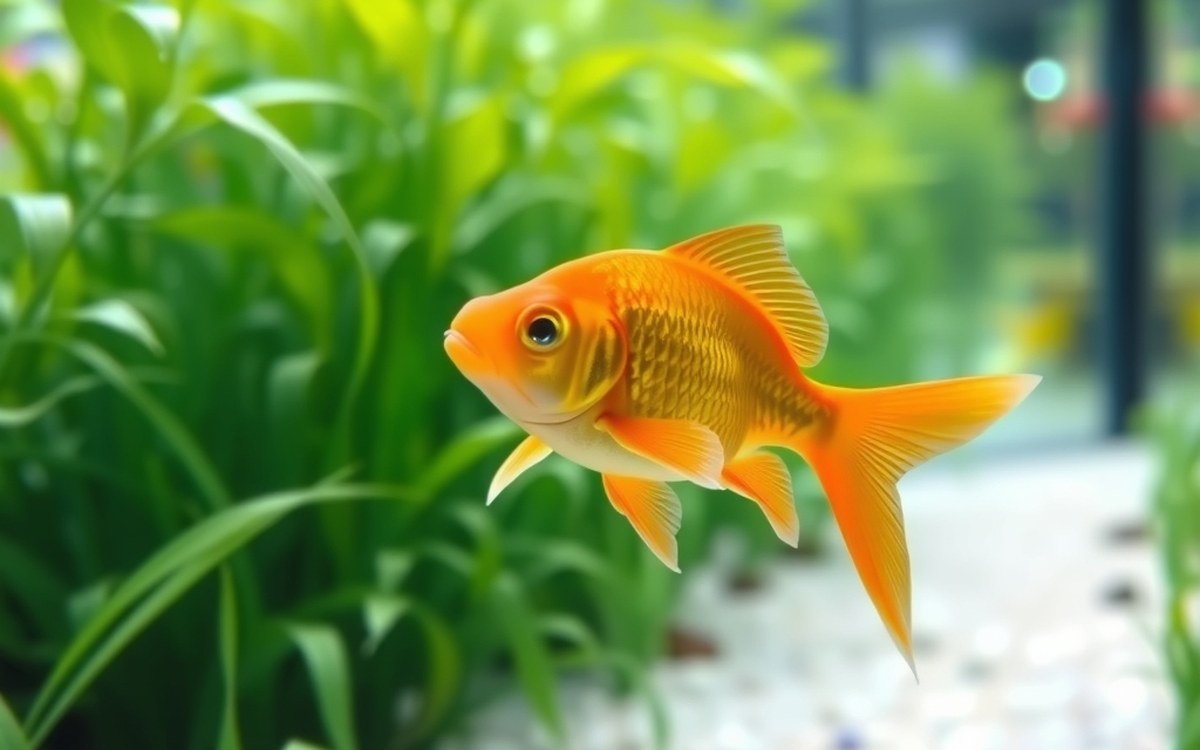
Ornamental fish are many families' first pet. They look low-maintenance, but stable water quality, temperature and feeding are the real foundation of health.
Cycle the water first
A new tank needs to cycle before fish go in, so the nitrifying bacteria can establish. Keep an eye on ammonia, nitrite and nitrate, change water regularly without replacing too much at once, and keep the temperature stable. Big swings are often more dangerous than a little dirt.
Feed with restraint
Small portions that are finished within a few minutes are best. Overfeeding fouls the water quickly and is the most common beginner mistake. Different species need different temperatures and foods, so check before you buy and avoid mixing fish with very different needs.
Signs to watch
Gasping at the surface, rubbing against surfaces, loss of appetite, white spots or frayed fins all need prompt attention. Test the water first, then consider treatment. If you are unsure, ask a specialist aquarium shop or an experienced veterinarian.
Getting help
Most veterinary practices focus on dogs and cats. For ornamental fish, start with a specialist aquarium service. This article is general care guidance, not a diagnosis.
This article is general information and does not replace a veterinary examination. If your pet is unwell or you are worried, contact our team or a local veterinarian.